

0%

In the realm of ice production, the importance of a reliable and efficient Freshwater Flake Ice Machine cannot be overstated. As industry expert Dr. Emily Johnson, a renowned specialist in refrigeration technology, aptly stated, "A high-quality freshwater flake ice machine not only enhances product freshness but also improves operational efficiency in various applications." With the rising demand for flake ice across industries such as food preservation, pharmaceuticals, and seafood processing, understanding the features, benefits, and purchasing considerations of the top freshwater flake ice machines for 2025 is essential for businesses aiming to stay competitive.

As we delve into the world of freshwater flake ice machines, it’s crucial to assess the technological advancements that have paved the way for more energy-efficient and hygienic ice production systems. The latest innovations in this sector ensure that operators can produce flake ice that conforms to the highest safety standards while maintaining optimal functionality. This guide will not only illuminate the significant features that define the best machines on the market but will also provide valuable insights into their practical benefits. Whether you are upgrading existing equipment or investing in your first ice production system, this comprehensive overview will equip you with the knowledge to make an informed decision when selecting a freshwater flake ice machine tailored to your specific needs.

Top 2025 Freshwater Flake Ice Machines: Features, Benefits, and Buying Guide

Top Features of Freshwater Flake Ice Machines in 2025

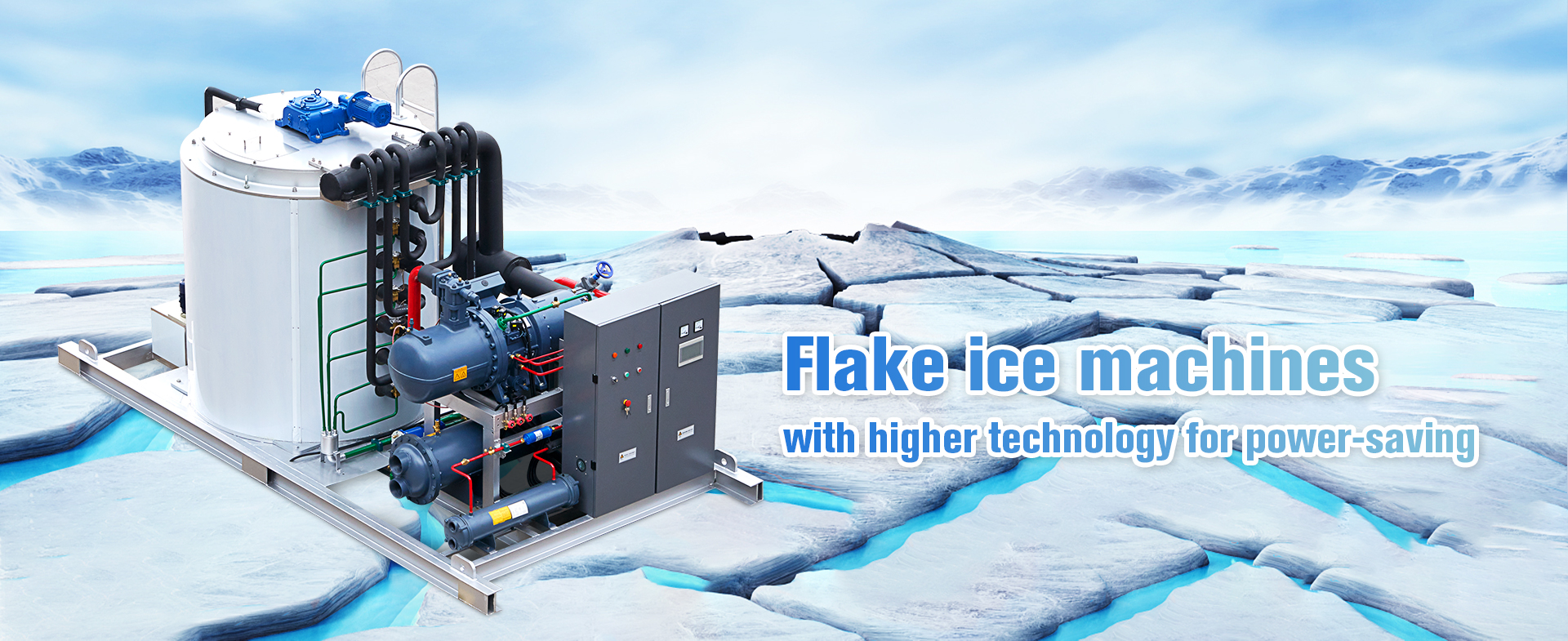
When exploring the top features of freshwater flake ice machines in 2025, one of the most prominent aspects is their energy efficiency. These machines are designed to consume less power while maintaining optimal ice production rates. This not only reduces operational costs for businesses but also aligns with growing environmental sustainability goals. Advanced technologies, including smart sensors and optimized cooling systems, contribute to minimal energy consumption, making them a responsible choice for ice production.

Another key feature is the enhanced ice quality produced by modern flake ice machines. The ice itself is softer and has a larger surface area compared to traditional ice types, making it ideal for applications in various industries such as seafood preservation, beverages, and healthcare. The flake ice's ability to mold around products ensures better cooling and prevents damage, which is particularly beneficial in sectors requiring delicate handling. Additionally, these machines often incorporate user-friendly interfaces, allowing for easy operation and real-time monitoring, which enhances overall operational effectiveness and reliability.

Benefits of Using Freshwater Flake Ice Machines for Various Applications

Freshwater flake ice machines offer numerous benefits across a variety of industries, making them an essential asset for businesses that rely on efficient cooling solutions. The unique texture of flake ice, which is soft and moldable, provides better cooling performance than traditional cube ice. This quality is particularly advantageous in sectors like food processing and aquaculture, where maintaining optimal temperatures is crucial to preserving the freshness and quality of products. In fish markets or seafood restaurants, the use of flake ice helps to keep products chilled, reducing spoilage and ensuring a longer shelf life.

Moreover, flake ice is highly versatile and easy to handle, which makes it suitable for applications that require precise temperature control. Its ability to fill spaces around products without causing damage is particularly beneficial in the healthcare industry, where flake ice is used in medical transport and temporary storage of biological materials. Additionally, the ease of production and integration into existing systems enables businesses to enhance their operational efficiency. As industries continue to seek innovative cooling solutions, freshwater flake ice machines stand out for their practicality and effectiveness across a wide range of applications.

Top 2025 Freshwater Flake Ice Machines: Features, Benefits, and Buying Guide

Model Production Capacity (kg/day) Ice Thickness (mm) Energy Efficiency Rating Applications Price Range (USD)
Model A 600 1.5 A+ Food Industry, Aquariums $2,500 - $3,000
Model B 800 2.0 A Restaurants, Supermarkets $3,000 - $3,500
Model C 1000 2.5 A++ Catering, Fish Market $3,500 - $4,000
Model D 500 2.0 B Medical, Research Labs $2,000 - $2,500
Model E 1200 3.0 A+++ Wholesale, Ice Rinks $4,000 - $5,000

Key Considerations When Buying Freshwater Flake Ice Machines

When considering the purchase of a freshwater flake ice machine, there are several key factors to keep in mind to ensure you make the right choice for your needs. Firstly, the machine's production capacity is crucial. Assess your daily ice requirements and choose a model that can meet or exceed that demand. Larger establishments like restaurants or fish markets may need higher capacity machines, while smaller businesses can opt for compact models.

Another important consideration is the machine's energy efficiency. Look for machines that are designed to consume less power while maintaining optimal performance. Not only will this reduce utility costs, but it may also contribute to environmental sustainability efforts.

Tips: Pay attention to the refrigeration system of the ice machine. Some models use advanced cooling technology that not only enhances ice-making speed but also improves energy efficiency. Additionally, consider the machine's ease of maintenance. A design that simplifies cleaning and servicing can save you time and effort in the long run.

Comparative Analysis of Leading Freshwater Flake Ice Machine Brands

Top 2025 Freshwater Flake Ice Machines: Features, Benefits, and Buying Guide

The demand for freshwater flake ice machines has been on the rise due to their widespread applications in various industries, including food processing, healthcare, and hospitality. A comparative analysis of leading brands reveals significant differences in features, efficiency, and technological advancements that can impact operational effectiveness. According to a recent industry report by MarketsandMarkets, the global ice machine market is projected to reach $4.7 billion by 2025, with flake ice machines expected to play a crucial role in this growth owing to their versatility and cooling efficiency.

When assessing the features of various freshwater flake ice machines, key considerations include production capacity, energy consumption, and maintenance requirements. Advanced models are increasingly equipped with energy-efficient compressors and eco-friendly refrigerants, which not only reduce operational costs but also promote sustainability in ice production. Data from the International Institute of Refrigeration indicates that modern flake ice machines can achieve up to 20% lower energy consumption compared to older units, emphasizing the importance of investing in newer technology for both cost savings and environmental impact.

Furthermore, user-friendly designs and automated functionalities are becoming standard among competitive brands. Features such as programmable controls and smart connectivity allow for optimized operation, enabling users to monitor production remotely. As businesses seek to enhance their operational efficiency and resource management, choosing the right freshwater flake ice machine based on these comparative metrics will prove essential in maintaining a competitive edge in the market.

Maintenance Tips for Maximizing the Lifespan of Your Ice Machine

Proper maintenance of your freshwater flake ice machine is crucial for extending its lifespan and ensuring optimal performance. Regular cleaning is one of the most essential practices. Ice machines can accumulate calcium buildup and other mineral deposits, which may hinder their functionality. Cleaning the condenser coils and water reservoir routinely can prevent this scaling and promote efficient operation. Additionally, changing the water filter as recommended can help maintain water quality, ensuring cleaner ice production.

Another important aspect of maintenance is to conduct regular inspections for wear and tear. This includes checking seals and gaskets for any signs of wear that could lead to leaks. Ensuring that the machine is correctly positioned on a level surface also prevents undue stress on its components. Furthermore, keep the surrounding area free from dust and debris, which can clog air intakes and exhausts. By paying attention to these details and scheduling annual professional servicing, you can significantly enhance the longevity of your ice machine and reduce the likelihood of unexpected breakdowns.

Customer Reviews and Ratings: What Users Say About Ice Machines

When it comes to choosing the right freshwater flake ice machine, customer reviews and ratings provide invaluable insights into the performance and reliability of various models. Users often highlight the importance of consistent ice quality and production rate, which are crucial for businesses in the food service and hospitality sectors. Many reviews commend machines that deliver soft, flake ice that quickly chills beverages without diluting them too rapidly. Additionally, users value the ease of operation and maintenance, noting that machines that are simple to clean and have intuitive controls receive high satisfaction ratings.

Another common theme in user feedback is energy efficiency. Many customers express their appreciation for machines that offer lower energy consumption while still maintaining a high output capacity. This not only reduces operational costs but also appeals to environmentally conscious users. Furthermore, customers often discuss the quality of customer service they receive. Prompt support and helpful resources tend to elevate the overall satisfaction level, especially if users encounter issues during setup or operation. Such insights from real users can guide prospective buyers in making an informed decision, ensuring that they select a flake ice machine that effectively meets their needs.

Top 2025 Freshwater Flake Ice Machines - Customer Ratings

Future Trends in Freshwater Flake Ice Machine Technology

Top 2025 Freshwater Flake Ice Machines: Features, Benefits, and Buying Guide

The freshwater flake ice machine segment is poised for significant advancements in technology as we move towards 2025. A crucial trend influencing this evolution is the increasing demand for energy-efficient machines. According to a recent report by a leading industry analysis firm, around 35% of ice machine users are prioritizing energy consumption in their purchasing decisions. This shift not only helps reduce operational costs but also aligns with global sustainability efforts aiming to lower carbon footprints in various sectors including food processing and seafood preservation.

Another emerging trend is the integration of IoT (Internet of Things) capabilities in flake ice machines, which allows for real-time monitoring and management of ice production and quality. A report published by the International Ice Association noted that approximately 40% of manufacturers are expected to incorporate smart technologies into their equipment by 2025. This functionality enhances user experience by providing data analytics that can predict maintenance needs and optimize output, ensuring consistent ice quality for various applications, from hospitality to medical industries.

As technology continues to advance, we can also anticipate innovations in the materials used for constructing flake ice machines. Enhanced insulation materials and improved compressor designs are likely to dominate the market, resulting in faster ice production rates and superior thermal efficiency. As these trends unfold, they are set to redefine operational standards and drive up demand for next-generation freshwater flake ice machines.

FAQS

: What are the main benefits of using energy-efficient freshwater flake ice machines in 2025?

: Energy-efficient freshwater flake ice machines help reduce operational costs while aligning with environmental sustainability goals. They consume less power and utilize advanced technologies to ensure optimal ice production rates.

How does the quality of ice produced by modern flake ice machines compare to traditional ice?

Modern flake ice machines produce softer ice with a larger surface area, making it ideal for applications such as seafood preservation, beverages, and healthcare. The flake ice molds around products better, providing improved cooling and preventing damage.

What routine maintenance practices are essential for freshwater flake ice machines?

Regular cleaning, including the condenser coils and water reservoir, is crucial to prevent mineral deposits. Changing the water filter as recommended and conducting inspections for wear and tear can also enhance the machine's performance and lifespan.

Why is it important to ensure the ice machine is positioned correctly?

Proper positioning on a level surface prevents undue stress on the machine's components, reducing the risk of malfunction and extending its lifespan.

What emerging technology trends are expected in freshwater flake ice machines by 2025?

The integration of IoT capabilities for real-time monitoring and management of ice production is a key trend. This will help enhance user experience and optimize ice quality through data analytics.

How do improved materials in flake ice machines impact their performance?

Innovations in insulation materials and compressor designs are expected to lead to faster ice production rates and better thermal efficiency, redefining operational standards in the industry.

What role does user-friendly technology play in the operation of flake ice machines?

User-friendly interfaces allow for easy operation and real-time monitoring, enhancing operational effectiveness and reliability.

What should be done to keep the surrounding area of the ice machine in good condition?

Maintaining a clean surrounding area free from dust and debris is essential to prevent clogging of air intakes and exhausts, which can hinder the machine's operation.

How can businesses reduce the likelihood of unexpected breakdowns of their ice machines?

Regular maintenance, including annual professional servicing and attention to minor wear and tear, can significantly reduce the chance of unexpected breakdowns.

Conclusion

The article "Top 2025 Freshwater Flake Ice Machines: Features, Benefits, and Buying Guide" explores the essential aspects of freshwater flake ice machines, highlighting their top features and the advantages they offer across various applications. Key considerations for potential buyers are discussed, including size, capacity, and energy efficiency, while a comparative analysis provides insights into the leading models available in the market. Additionally, the article emphasizes the importance of regular maintenance to extend the lifespan of these machines and shares customer reviews that reflect user experiences and satisfaction levels.

Looking to the future, the article also touches on emerging trends in freshwater flake ice machine technology, indicating a shift towards smarter, more efficient units. By understanding these features and benefits, readers can make informed decisions when investing in a freshwater flake ice machine, ensuring they select the right model that meets their needs and operational demands.

Sophie

Sophie

Sophie is a highly skilled marketing professional at Guangdong Icesnow Refrigeration Equipment Co., Ltd., an esteemed integrated manufacturer established in 2003. With an extensive background in the refrigeration industry, she possesses deep knowledge and expertise in the company's core products,......
Previous Ultimate Guide to Choosing the Best Flake Ice Maker Evaporator for Your Business Needs